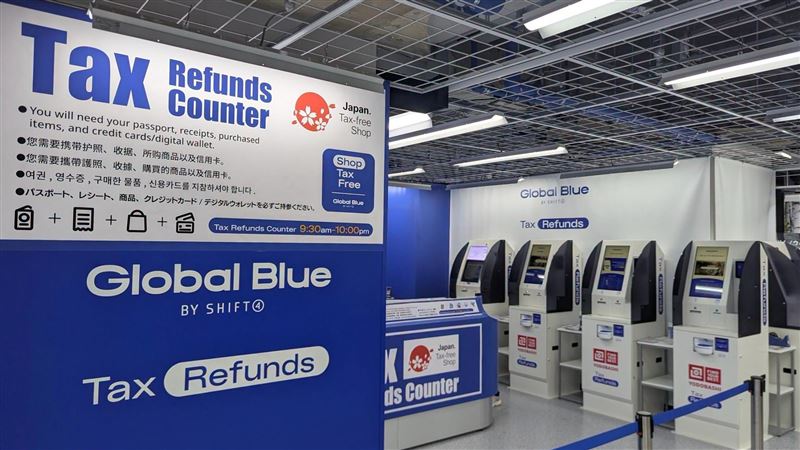
Planning a shopping trip to Japan in 2026? There is one major change you need to know before buying your favorite Japanese skincare products, snacks, electronics, or souvenirs.
Starting November 1, 2026, Japan is changing its tax-free shopping system for international visitors.
Under the new rules, tourists must pay the full price, including consumption tax, when shopping. The tax refund will only be processed after they leave Japan and complete the required customs confirmation.
In other words, the old system of showing your passport and immediately getting the tax deducted at checkout is being replaced by a “Pay First, Refund Later” system.
The change also affects airport procedures, credit card refunds, service fees, and the way travelers handle tax-free purchases.
If Japan is on your travel itinerary, here are the most important things to know.
Japan’s New Tax-Free Shopping Rules: 5 Important Changes
The new refund-based system officially takes effect on November 1, 2026.
Here are the five biggest changes:
- Pay the full price upfront: You must pay the tax-inclusive price when purchasing eligible items.
- Complete customs confirmation before departure: Your passport and tax-free purchase records must be checked before leaving Japan.
- Take your purchases out of Japan within 90 days: Eligible goods must be exported within the required period.
- Watch out for refund fees: Some tax refund providers may charge processing fees, reducing the amount you actually receive.
- No more mandatory sealed bags for consumables: The special packaging requirement for consumable goods is being removed, but the goods must still be taken out of Japan.
The biggest difference is simple: you no longer receive your tax savings immediately at the store. You have to complete the refund process before leaving the country.
1. Old vs. New: What’s Different About Japan’s Tax Refund System?
Before November 1, 2026, eligible international visitors could usually purchase tax-free goods directly at participating stores.
All they needed to do was present their passport and meet the tax-free shopping requirements.
The consumption tax was deducted at checkout, so travelers paid the tax-free price immediately.
Under the new system, things work differently.
You must first pay the full tax-inclusive price. After your purchases are confirmed by Japanese Customs when you leave the country, the applicable consumption tax can be refunded through the store or its designated refund provider.
Here’s a quick comparison:
| Shopping Detail | Old System (Before Oct. 31) | New System (From Nov. 1) |
|---|---|---|
| Payment | Tax-free price at checkout | Full tax-inclusive price |
| Refund timing | Immediate tax exemption | After customs confirmation |
| Customs confirmation | Existing procedures applied | Required before departure |
| Product categories | General goods and consumables | No separate classification |
| Sealed bags | Special rules for consumables | Special sealing requirement removed |
| Export deadline | Previous rules applied | Within 90 days of purchase |
Will You Need More Money When Shopping in Japan?
Yes. At least temporarily.
Since you must pay the full price upfront, you’ll need a larger shopping budget before receiving your refund.
For example, imagine buying an item with a tax-inclusive price of ¥110,000.
Assuming the item is subject to Japan’s standard 10% consumption tax:
- Original price before tax: ¥100,000
- Consumption tax: ¥10,000
- Amount paid at checkout: ¥110,000
- Potential tax refund: ¥10,000
However, the actual refund may be lower if the store or refund provider charges a processing fee.
2. How to Get a Tax Refund in Japan: A Simple 3-Step Guide
The new system adds an important step to your shopping experience: airport customs confirmation.
Simply showing your passport at the store is no longer enough.
Here’s how the process works.
Step 1: Show Your Passport and Pay the Full Price
When shopping at an authorized tax-free store, present your valid passport so the store can verify your eligibility.
The store will register your tax-free purchase information.
Unlike the old system, you must pay the full price, including consumption tax.
Depending on the store and its refund provider, you may also need to register your refund details.
These may include:
- Your passport and entry information.
- Your credit card or designated refund payment details.
- Personal information requested by the store.
- Additional verification information, if required.
Different retailers may use different refund systems, so make sure your payment and refund information have been registered correctly.
Keep your receipts and transaction records until the refund is completed.
Step 2: Complete Customs Confirmation Before Leaving Japan
This is one of the most important parts of the new system.
Before departing Japan, you must complete the required customs confirmation at your final departure airport or port.
The general process is:
- Find the designated tax-free customs confirmation equipment.
- Follow the on-screen instructions.
- Scan your passport.
- Wait while the system checks your purchase records.
- If additional inspection is required, follow the instructions and show your goods to Customs.
- Complete the confirmation process before leaving Japan.
Some systems may indicate that confirmation is complete with a green light.
If further inspection is required, you may be directed to a customs officer.
Important: Customs confirmation does not mean your money has already been refunded.
It simply means you have completed an essential step required for the refund process.
Step 3: Wait for Your Refund
After customs confirmation, your store or its designated refund provider will process the refund according to the payment method registered when you made your purchase.
Depending on the store, available methods may include:
- Refunds to a registered credit card.
- Refunds through designated payment services.
- Cash collection at eligible refund counters or machines.
Refund processing times vary.
If your refund does not appear, check your transaction records first. You may then need to contact the store or its refund service provider.
3. How Do Japan’s Airport Tax Refund Machines Work?
Airport tax refund equipment plays an important role under the new system.
In most cases, travelers will need to scan their passports and allow the system to check their registered tax-free purchases.
If everything is in order, the confirmation process may be completed without additional inspection.
However, some travelers may be asked to show their purchases to Customs.
Do You Have to Open Every Shopping Bag?
No, not necessarily.
Not every traveler will be required to unpack every item.
Customs may decide whether additional inspection is necessary based on the confirmation results.
If your information is successfully verified, you may not need a physical inspection.
If Customs requests to see your purchases, however, you must cooperate.
To avoid unnecessary problems:
- Keep your tax-free purchases together.
- Make your goods easy to access.
- Do not put them in checked luggage before completing customs confirmation.
- Allow extra time at the airport.
- Ask airport staff for help if the equipment does not work.
One Mistake You Should Never Make
Don’t check in your tax-free shopping bags before completing customs confirmation.
Imagine buying several bags of Japanese skincare products and electronics, then placing everything inside your checked suitcase.
If Customs asks to inspect those goods, you may no longer be able to present them.
The safest approach is to complete the required customs procedures before checking in luggage containing tax-free purchases.
4. Japan Tax Refund Fees: How Much Will You Actually Get Back?
This is another important detail travelers should not overlook.
Under the old system, the consumption tax was generally deducted directly at checkout.
With the new refund system, some retailers may work with third-party tax refund providers.
These providers may charge processing fees.
That means the amount you receive may be lower than the theoretical consumption tax refund.
Some media reports have highlighted fees of up to approximately 6.4% in certain situations.
However, this does not mean every Japanese tax-free store charges 6.4%.
Japan does not impose one universal refund service fee across all retailers.
The actual cost depends on the store, refund provider, and fee structure.
Before purchasing expensive items, check these three things:
- Which refund provider does the store use? Department stores, drugstores, and electronics retailers may use different systems.
- How is the fee calculated? It could be a fixed amount, a percentage of the refund, or another fee structure.
- How much money will you actually receive? Always check the estimated refund amount instead of assuming you will receive the full consumption tax.
Example: How a Refund Fee Can Reduce Your Savings
Suppose your theoretical tax refund is ¥10,000.
If the provider charges a 6.4% fee based on the refund amount:
- Theoretical refund: ¥10,000
- Processing fee: ¥640
- Actual refund: ¥9,360
This is only an illustrative calculation. Actual fees and calculation methods vary between providers.
5. Can You Get a Cash Refund in Japan? What About Credit Cards?
Not every store offers the same refund options.
Some providers may support cash collection, while others may process refunds through registered credit cards or designated payment services.
For international visitors, credit card refunds may be convenient because you do not need to find a separate cash collection counter before departure.
However, there are a few things to check:
- Does the store support your credit card?
- Do you need to register your card before leaving the store?
- Will the refund go back to the original card or another designated account?
- Does the provider require SMS verification?
- How long does the refund normally take?
If SMS verification is required, make sure your phone can receive international messages.
Also, check whether your refund will be issued in Japanese yen or converted into another currency.
Exchange rates and additional payment-related fees may affect the final amount you receive.
6. Japan Removes the Sealed-Bag Requirement: Can You Open Your Drugstore Purchases?
One of the biggest changes is the removal of the special sealed-bag requirement for consumable goods.
Under the old system, tax-free purchases were divided into two categories:
- General goods, such as electronics, clothing, and accessories.
- Consumables, such as food, drinks, cosmetics, and medicine.
Consumables generally had to be packed in special sealed bags.
Under the new system, the separate classification and special sealing requirement are being removed.
This makes shopping more convenient, especially for tourists buying Japanese snacks, skincare products, cosmetics, and everyday items.
But there’s one important detail:
No more sealed bags does NOT mean you can freely consume your tax-free purchases in Japan.
The goods must still be taken out of Japan to qualify for the tax refund.
For example:
- Eating tax-free snacks during your stay may affect your eligibility.
- Using tax-free cosmetics in Japan may cause problems.
- Consuming tax-free food before departure may mean the goods are no longer available for customs confirmation.
The safest option is to keep your tax-free purchases unused until you leave Japan.
7. Who Is Eligible for Tax-Free Shopping in Japan?
The new refund system does not mean everyone can automatically shop tax-free.
Travelers must still meet Japan’s non-resident eligibility requirements and purchase eligible goods from authorized tax-free stores.
The general requirements include:
- You must qualify as a non-resident under Japanese tax-free shopping rules.
- Purchases must be made at an authorized tax-free retailer.
- Your purchases must meet the minimum spending requirement.
- The goods must be taken out of Japan within 90 days of purchase.
- You must complete the required customs confirmation before departure.
Minimum Purchase Amount
The general minimum purchase amount remains:
¥5,000 before tax at the same store on the same day.
This is an important requirement for travelers planning to make several smaller purchases.
Also, not all products have the same consumption tax rate.
Japan generally applies:
- 10% consumption tax to standard goods.
- 8% reduced consumption tax to qualifying food and beverages.
The actual refund depends on the tax rate applicable to the purchased goods and the relevant eligibility requirements.
8. Japan Tax Refund 2026: Frequently Asked Questions
Q1. Do purchases made before November 1, 2026, follow the new refund system?
No. The applicable system is generally determined by the purchase date.
Purchases made on or before October 31, 2026, are generally handled under the previous rules.
Purchases made from November 1 onward are subject to the new refund system.
Q2. Do I have to complete the refund process at the airport?
You must complete the required customs export confirmation before leaving Japan.
Some designated airports offer digital customs confirmation options through Visit Japan Web.
However, travelers must follow the instructions and use the designated areas and services available at their departure airport.
Q3. Can Visit Japan Web replace the airport tax refund machine?
Visit Japan Web offers a digital customs confirmation option at designated locations.
Participating airports include:
- Narita International Airport
- Haneda Airport
- Kansai International Airport
- Chubu Centrair International Airport
- New Chitose Airport
- Fukuoka Airport
- Naha Airport
However, simply completing general Visit Japan Web procedures does not automatically mean your tax refund has been completed.
Always follow the latest airport instructions.
Q4. Will the new system cause long lines at Japanese airports?
It may.
Travelers who are unfamiliar with the new procedures, equipment problems, and incomplete refund information could all increase waiting times.
Give yourself extra time, especially if you have purchased a large number of tax-free items or expect a physical inspection.
Do not leave the entire process until the last few minutes before boarding.
Q5. Will my credit card refund arrive immediately?
Not necessarily.
Customs confirmation is an important requirement, but the actual refund is processed by the store or its designated refund provider.
Processing times vary, so check the refund information provided when you make your purchase.
Q6. What happens if I forget to scan my passport before leaving Japan?
Do not assume you can complete the procedure after leaving the country.
The new system requires customs confirmation when you depart.
If you encounter equipment problems or cannot complete the process, contact airport staff or Customs immediately before departure.
9. Japan Shopping Checklist 2026: What to Do Before Your Flight Home
Japan’s new tax-free shopping system does not eliminate the tax refund benefit.
It simply changes when and how you receive it.
For international visitors, the biggest adjustments are paying the full price upfront and allowing enough time to complete customs confirmation before departure.
Before your next trip to Japan, remember this checklist:
- Bring your passport when shopping.
- Make sure you shop at an authorized tax-free store.
- Confirm your refund information at checkout.
- Keep your receipts and purchase records.
- Do not check in tax-free goods before customs confirmation.
- Scan your passport at the designated airport equipment.
- Present your purchases if Customs requests an inspection.
- Check your credit card or payment account after departure.
- Review the store’s refund fees before making expensive purchases.
You should also check the latest information published by the Japan Tourism Agency and Japan Customs before traveling.
Airport procedures and available digital services may vary.
Final Thoughts: Japan’s New Tax Refund System Is All About Timing
Japan’s new tax-free shopping rules bring a major change to the way international visitors shop.
The biggest difference is not that tax refunds are disappearing.
It’s that the old “pay the tax-free price immediately” system is being replaced by “pay the full price first and receive your refund after customs confirmation.”
For travelers, that means preparing enough money for shopping, registering the correct refund information, keeping purchases accessible, and allowing extra time at the airport.
Remember one simple rule:
Shop first, keep your purchases, complete customs confirmation, and then wait for your refund.
Follow these steps, and you can enjoy shopping in Japan without unnecessary surprises at the airport.