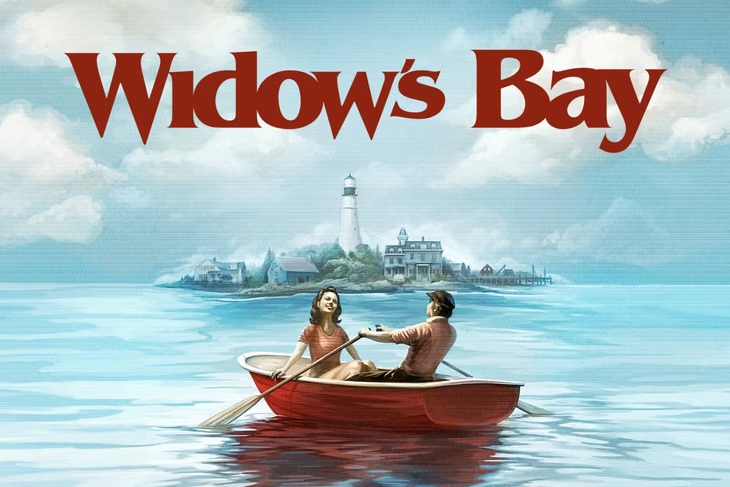
Apple TV+’s Widow’s Bay didn’t just have a good night at the 2026 Emmys.
It made history.
The horror-comedy series walked away with 14 Emmy Awards, including Outstanding Comedy Series, and broke the record for the most Emmys won by a comedy series in a single season.
So how did a relatively new show about a cursed island become the biggest comedy winner of the night?
The answer comes down to one unusual combination: horror, comedy, unforgettable characters, and a creative team willing to take big risks.
Here’s why Widow’s Bay became the breakout hit of the 78th Emmy Awards.
The Short Answer: Widow’s Bay Did Something Most Shows Wouldn’t Dare Try
At its core, Widow’s Bay is a strange mix.
It has small-town politics.
Tourism drama.
Supernatural horror.
Dark comedy.
And plenty of absurd situations.
The story follows Tom Loftis, the mayor of a small New England island town who is desperate to turn the struggling community into a tourist destination.
There’s just one problem.
The island is cursed.
And the more Tom tries to promote the town, the deeper he gets into a supernatural nightmare.
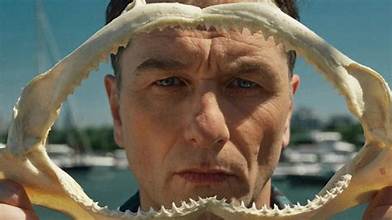
That unusual setup gives the series something most conventional comedies don’t have: genuine tension.
One moment, you’re laughing at a ridiculous political argument.
The next, something genuinely terrifying happens.
That constant shift between comedy and horror became one of the show’s biggest strengths.
Widow’s Bay Won 14 Emmys
Let’s start with the number everyone is talking about.
Widow’s Bay received 19 Emmy nominations for its first season and ultimately won 14 awards.
Eight of those came during the Creative Arts Emmys, while another six arrived during the main Emmy ceremony.
Its major wins included:
- 🏆 Outstanding Comedy Series
- 🏆 Outstanding Lead Actor in a Comedy Series — Matthew Rhys
- 🏆 Outstanding Supporting Actor in a Comedy Series — Stephen Root
- 🏆 Outstanding Supporting Actress in a Comedy Series — Kate O’Flynn
- 🏆 Outstanding Directing for a Comedy Series — Hiro Murai
- 🏆 Outstanding Writing for a Comedy Series — Katie Dippold
The other wins recognized areas such as casting, music, sound, editing and other behind-the-scenes achievements.
That matters because Widow’s Bay wasn’t carried by just one star.
The entire production was recognized.
It Broke the Record for a Comedy Series
The biggest headline is the record.
With 14 wins, Widow’s Bay became the most-awarded comedy series for a single season in Emmy history.
It surpassed the previous record of 13 wins set by another Apple TV+ comedy, The Studio, in 2025.
And that makes the achievement even more interesting.
Apple TV+ now has back-to-back record-setting comedy winners.
The platform previously dominated the category with Ted Lasso, and its comedy lineup has continued to perform strongly at the Emmys.
But Widow’s Bay took the formula in a very different direction.
Instead of going for a traditional workplace comedy or feel-good sitcom, it leaned into something much stranger.
A haunted island comedy.
And somehow, it worked.
The Secret Weapon? Horror + Comedy
This is probably the biggest reason Widow’s Bay connected with viewers and Emmy voters.
Horror and comedy are surprisingly difficult to combine.
If the jokes are too obvious, the scary scenes stop being scary.
If the horror becomes too serious, the comedy falls apart.
Widow’s Bay constantly walks that line.
The show can turn a completely ordinary conversation into something ridiculous, then suddenly shift the mood with a supernatural event.
That unpredictability keeps viewers watching.
You never quite know what kind of scene is coming next.
And that’s exactly what gives the series its identity.
Matthew Rhys Was a Huge Part of the Formula
Matthew Rhys plays Tom Loftis, the overwhelmed mayor at the center of the story.
Tom isn’t a traditional heroic lead.
He’s ambitious.
He’s often wrong.
He’s desperate to save his town.
And he has absolutely no idea how to deal with an ancient supernatural curse.
That gives Rhys a huge range to work with.
He has to play political frustration, physical comedy, fear, panic and genuine emotional moments—sometimes within the same episode.
That’s not easy.
If the performance becomes too comedic, the horror loses its impact.
If it becomes too serious, the jokes don’t land.
Rhys manages to keep both sides working.
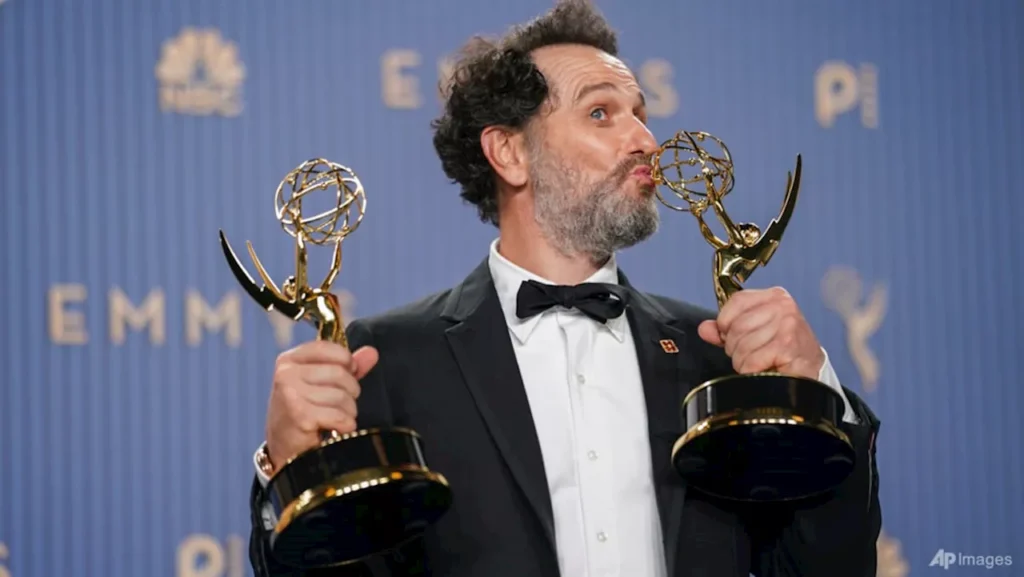
His performance ultimately earned him the Emmy for Outstanding Lead Actor in a Comedy Series.
And Matthew Rhys Made Emmy History
Rhys had an even bigger night than that.
He also won the Emmy for Outstanding Lead Actor in a Limited or Anthology Series for The Beast in Me.
That means he won two lead acting Emmys in different categories on the same night.
It was one of the most remarkable individual achievements of the 2026 ceremony.
So while Widow’s Bay was celebrating its historic run, Rhys was also making Emmy history of his own.
Stephen Root Added Another Historic Moment
Stephen Root also had a major night.
His performance as Wyck Crawford earned him the Emmy for Outstanding Supporting Actor in a Comedy Series.
Root was 74 when he won, making him the oldest winner in the category and surpassing Henry Winkler’s previous age record.
It’s another reason the cast stood out.
The show didn’t rely on a single young breakout star.
Instead, it brought together veteran performers and distinctive supporting characters who could make even the strangest situations feel believable.
Katie Dippold’s Writing Is at the Heart of the Show
Behind the chaos is creator Katie Dippold.
The concept of Widow’s Bay reportedly grew from her long-standing fascination with the strange feeling surrounding supposedly haunted places.
That idea eventually became the show’s central question:
What happens when someone tries to turn a supposedly cursed place into a tourist attraction?
It’s a ridiculous premise.
But it also gives the story a surprisingly strong foundation.
The tourism storyline creates the comedy.
The island’s history creates the mystery.
The curse creates the horror.
And the characters connect all three.
That’s why the show doesn’t feel like a random combination of genres.
Everything is connected.
Hiro Murai Gave the Show Its Unusual Visual Style
Director Hiro Murai was another major piece of the puzzle.
Known for his work on Atlanta, Murai brought a distinctive visual approach to Widow’s Bay.
The show doesn’t always look like a traditional horror series.
Instead of relying heavily on darkness, abandoned buildings and nighttime scares, it often places unsettling moments in bright, beautiful island surroundings.
That creates a strange contrast.
Everything looks peaceful.
But something feels wrong.
And that feeling becomes increasingly important as the story unfolds.
Murai ultimately won the Emmy for Outstanding Directing for a Comedy Series.
The Island Is More Than Just a Setting
One reason Widow’s Bay works so well is that the island itself feels like a character.
The town has its own history.
Its residents have their own beliefs.
The curse isn’t simply a monster-of-the-week gimmick.
It is connected to the community’s past.
Meanwhile, Tom’s attempt to turn the island into a tourist destination forces residents to confront parts of their history they would rather leave alone.
So beneath the horror and comedy, there’s another story happening.
It’s about a community trying to decide what parts of its past should be preserved—and what parts should stay buried.
How Did a New Show Become an Emmy Powerhouse So Quickly?
Widow’s Bay premiered on Apple TV+ in April 2026.
That makes its Emmy run even more impressive.
It wasn’t a long-running series with years of audience familiarity behind it.
Instead, the show built momentum through strong reviews and word of mouth.
Once viewers started recommending it, the unusual concept became part of the appeal.
People weren’t simply saying:
“It’s a good comedy.”
They were saying:
“You have to see this weird show about a cursed island.”
That’s a powerful recommendation.
The premise is easy to explain.
The characters are memorable.
And the genre combination gives people something to talk about after an episode ends.
It Wasn’t Literally a Perfect Sweep
There’s one important detail worth clarifying.
Calling Widow’s Bay an Emmy “sweep” is understandable because of its record-breaking 14 wins.
But it did not win every comedy category.
For example, Jean Smart won Outstanding Lead Actress in a Comedy Series for Hacks.
So the more accurate description is:
Widow’s Bay dominated the 2026 Emmys, setting a new record for the most awards won by a comedy series in a single season.
It was a historic run—but not a clean sweep of every comedy award.
Why Widow’s Bay Stands Out
Put everything together and the formula becomes clearer.
Widow’s Bay has:
A weird premise.
A strong central character.
A talented ensemble cast.
A distinctive visual style.
A genuinely unusual genre combination.
And most importantly, it doesn’t seem afraid to be strange.
That’s probably the biggest reason it stands out.
There are plenty of comedies.
There are plenty of horror shows.
There are plenty of supernatural dramas.
But Widow’s Bay found a way to make all three feel like parts of the same story.
The 14-Emmy Question Has a Simple Answer
So, why did Widow’s Bay sweep the 2026 Emmys?
Because it managed to turn an extremely unusual idea into a polished, character-driven television series.
The horror gives it tension.
The comedy gives it personality.
The cast gives it emotional weight.
The writing gives the chaos structure.
And the directing gives the whole thing a distinctive visual identity.
The result was 19 nominations and 14 Emmy wins, including Outstanding Comedy Series—and a new record for the most Emmys won by a comedy series in a single season.
But now comes the harder question.
Can Widow’s Bay do it again?
After making Emmy history with its first season, all eyes are now on Season 2.